The small print, made readable
Four short guides to how "free" games pay their bills, so you can spot a good deal and a bad nudge.
How free games make money: where the £0 download pays for itself
Free-to-play games cost a fortune to make and keep running, yet the download is £0. The money comes later, from a minority of players buying things inside the game. Knowing which kind of purchase a game relies on tells you a lot about how it will treat you if you never spend a penny. Here is how the main models work, with UK context on the rules that apply to them.
Battle passes explained: free tracks, premium tiers and the clock
A battle pass is the most common thing people buy in a free game, and the least understood. It looks like a simple deal: pay once, unlock rewards as you play. The fine print is in how long you get, how much play it takes and what happens if you fall behind. This guide breaks it down without telling you to buy anything.
Do you need PS Plus, Game Pass or Switch Online for free games?
Console makers charge for online play in paid games, so it's natural to assume the same applies to free ones. Usually, it doesn't. Sony, Microsoft and Nintendo all make an exception for free-to-play games, but each words it differently, and the details matter. Here is the answer for each platform, taken from their official UK pages and checked on 3 November 2026.
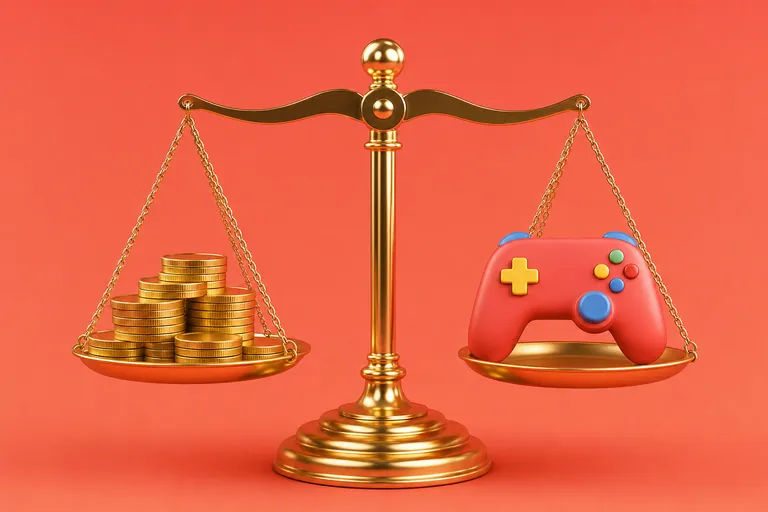
How to spot pay-to-win in a free game before you start playing
"Pay-to-win" gets thrown at almost every free game, sometimes fairly and sometimes not. A useful definition is narrower: can money buy an advantage over other players, or over the game, that free players can't reasonably match? This guide shows how to check that from a game's shop, store listing and age rating, before you invest any time.